The highest point on each continent represents one of mountaineering’s greatest challenges. Collectively known as the Seven Summits, these peaks span dramatically different environments, difficulties, and histories. There are two widely recognized versions of the list. The Messner list (favored by most serious mountaineers) uses Puncak Jaya in Indonesia for Oceania. The Bass list uses the easier Mount Kosciuszko in Australia. This article uses the more challenging and statistically interesting Messner version, while noting the alternative.
Overview of the Seven Summits
| Rank | Mountain | Continent | Elevation | Location | First Ascent | Type |
|---|---|---|---|---|---|---|
| 1 | Mount Everest | Asia | 8,848.86 m (29,032 ft) | Nepal / China | 1953 | Fold mountain |
| 2 | Aconcagua | South America | 6,961 m (22,838 ft) | Argentina | 1897 | Stratovolcano |
| 3 | Denali | North America | 6,190 m (20,310 ft) | Alaska, USA | 1913 | Fold mountain |
| 4 | Mount Kilimanjaro (Uhuru Peak) | Africa | 5,895 m (19,341 ft) | Tanzania | 1889 | Stratovolcano |
| 5 | Mount Elbrus (Western Summit) | Europe | 5,642 m (18,510 ft) | Russia | 1829 | Stratovolcano |
| 6 | Vinson Massif | Antarctica | 4,892 m (16,050 ft) | Antarctica | 1966 | Ancient uplift |
| 7 | Puncak Jaya (Carstensz Pyramid) | Oceania | 4,884 m (16,024 ft) | Indonesia (New Guinea) | 1962 | Fold mountain |
Ranked by Height: Key Facts & Stats
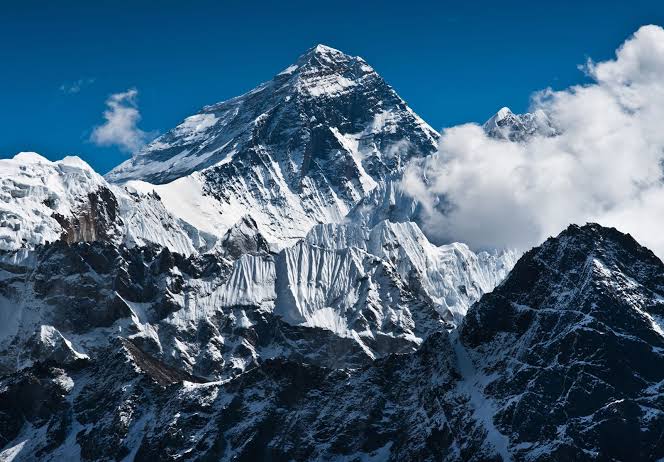
1. Mount Everest (Sagarmāthā / Qomolangma) – Asia – 8,848.86 m
Mount Everest, known locally as Sagarmāthā in Nepal and Qomolangma in Tibet, is the highest mountain on Earth. Located in the Himalayas on the border between Nepal and China, it remains the ultimate goal for mountaineers worldwide.
- Official height (2020 joint Nepal-China survey): 8,848.86 m
- Highest point on Earth and by far the tallest of the Seven Summits
- Over 1,888 m taller than second-place Aconcagua
- ~800–1,000 people summit per year in recent seasons
- Death rate on commercial expeditions: ~1–2% in recent years
- Requires extreme technical skill, oxygen, and significant financial investment ($30,000–$100,000+)
2. Aconcagua (Cerro Aconcagua) – South America – 6,961 m
Cerro Aconcagua is the highest mountain in the Americas and outside Asia. Standing in Argentina’s Andes mountain range, it is a massive challenge due to its high altitude despite requiring no technical climbing skills.
- Highest mountain outside Asia and in the Western Hemisphere
- Non-technical but extremely demanding due to altitude and weather
- ~3,000–4,000 climbers attempt it annually
- Success rate: ~60–70% for guided groups
- No technical climbing required, but altitude sickness is a major risk
3. Denali (Mount McKinley) – North America – 6,190 m
Denali, formerly known as Mount McKinley, is North America’s highest peak. Located in Alaska’s Denali National Park, it is renowned for its extreme cold, massive vertical rise from base to summit, and notoriously harsh weather.
- Highest peak in North America (USGS official height since 2015)
- One of the coldest and most dangerous of the Seven Summits
- ~1,200–1,500 climbers attempt it each year
- Success rate: ~50–60%
- High objective danger from crevasses, cold, and weather
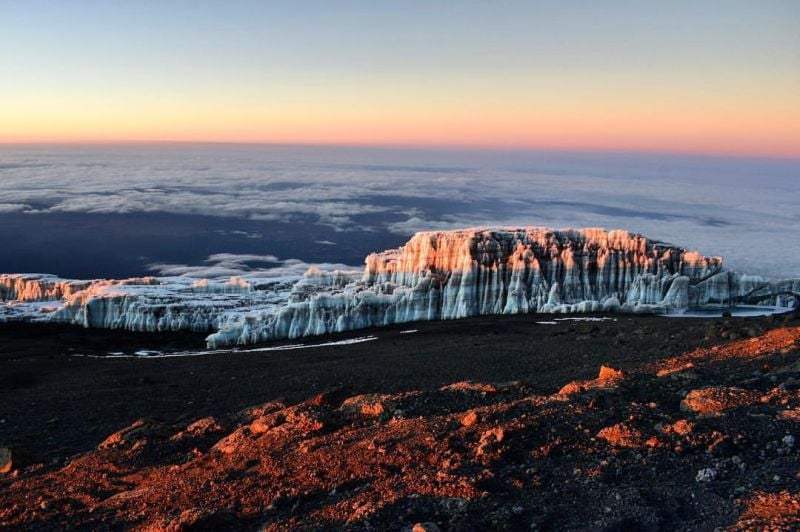
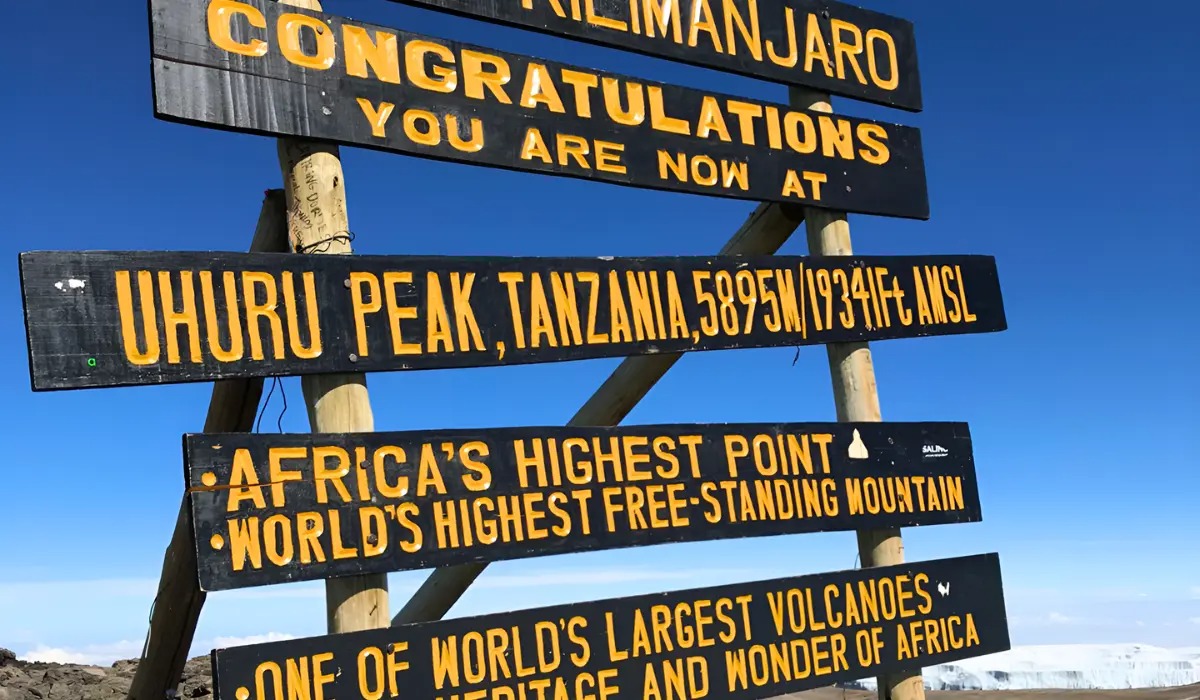
4. Mount Kilimanjaro (Uhuru Peak) – Africa – 5,895 m
Mount Kilimanjaro, with its highest point Uhuru Peak, is Africa’s tallest mountain and the world’s highest freestanding peak. Located in Tanzania, this dormant stratovolcano is the most popular and accessible of the Seven Summits.
- Highest freestanding mountain in the world
- Most climbed of the Seven Summits by far
- 30,000–50,000 people attempt it every year
- Success rate on standard routes: ~65–85%
- Non-technical trek suitable for fit hikers with proper acclimatization
5. Mount Elbrus (Western Summit) – Europe – 5,642 m
Mount Elbrus, specifically its Western Summit, is Europe’s highest peak. This dormant stratovolcano in Russia’s Caucasus Mountains offers one of the more accessible high-altitude experiences among the Seven Summits.
- Highest peak in Europe
- Relatively accessible via cable car to around 3,800 m
- Popular with both skiers and climbers
- Success rate on guided trips: often above 80%
- Can often be climbed in a long day from high camp
6. Vinson Massif – Antarctica – 4,892 m
Vinson Massif is the highest mountain on the continent of Antarctica. Located in the remote Ellsworth Mountains, it stands as one of the most logistically difficult and expensive peaks to climb due to extreme isolation and harsh conditions.
- Highest mountain on the coldest, driest, and windiest continent
- Extremely remote and expensive ($40,000–$70,000+ per expedition)
- Fewer than 2,000 people have ever reached the summit
- Climbed only during the short Antarctic summer (November–January)
- Technically moderate but one of the most logistically challenging
7. Puncak Jaya (Carstensz Pyramid) – Oceania – 4,884 m
Puncak Jaya, also widely known as Carstensz Pyramid, is the highest mountain in Oceania and the tallest island peak on Earth. Located in the Indonesian province of Papua on New Guinea, it is the most technically demanding of the Seven Summits.
- Highest island peak in the world
- Technically the most demanding of the Seven Summits (requires rock climbing)
- Very remote with complex logistics
- Fewer than 500 people have summited
- Often regarded as the hardest of the Seven Summits despite not being the tallest
Key Statistical Insights
- Height Range: Everest is nearly 4× taller than Kosciuszko and almost twice as tall as Vinson or Puncak Jaya.
- Elevation Gap: The difference between Everest and Aconcagua (1,888 m) is larger than the gap between Aconcagua and Vinson combined.
- Difficulty vs Height: Technical difficulty and logistics often matter more than raw elevation. Puncak Jaya and Denali are frequently considered harder than taller but more straightforward peaks.
- Accessibility: Kilimanjaro and Elbrus are the easiest to reach. Vinson Massif and Puncak Jaya are the most exclusive.
- Climber Numbers: Kilimanjaro alone sees more attempts in a single year than all the other six summits combined over many years.
Which List Should You Use?
- Messner list (Puncak Jaya): Preferred by serious mountaineers for its greater challenge.
- Bass list (Kosciuszko): More achievable and popular among recreational hikers.
Many climbers eventually complete both versions.